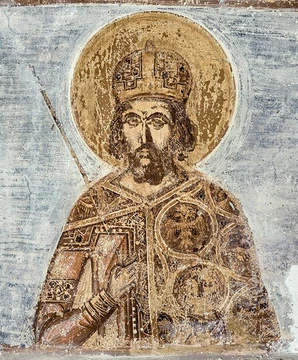
Cato the Elder
Roman soldier, senator, historian, and censor known for conservatism.

Marcus Porcius Cato (234–149 BC), also known as Cato the Censor, the Elder, and the Wise, was a Roman soldier, senator, and historian. He is noted for his conservatism and opposition to Hellenization, and was the first to write history in Latin with his work *Origines*. His treatise *De agri cultura* is the oldest extant prose written in Latin.
- born
- 234 BC (deduced from conflicting reports; Cicero and Pliny agree on this date)
- died
- 149 BC
- field
- Soldier, senator, historian
- nationality
- Roman
- known_for
- Conservatism, opposition to Hellenization, first Latin historian, censor who introduced taxes on luxuries
Lore & Background
Cato came from an ancient plebeian family noted for military service. As a youth, he fought as a military tribune in the Second Punic War with distinction. He was devoted to agriculture when not serving in the army. Attracting the notice of patrician Lucius Valerius Flaccus, he was brought to Rome and began his political career, serving as quaestor, aedile, praetor, and consul. As consul, he unsuccessfully opposed the repeal of the Lex Oppia. His military campaign in Hispania was a major success, and he was rewarded with a triumph. After his consulship, he served as a legate at the Battle of Thermopylae against Seleucid king Antiochus III. In 184 BC he was elected censor, shortly after his attacks forced Scipio Africanus into retirement. As censor, he introduced taxes on luxuries and oversaw extensive public works. He strongly opposed Hellenistic influences and later became known for his anti-Carthaginian stance.
Reader's Guide
Cato the Elder's significance lies in his role as a staunch defender of traditional Roman values against the rising tide of Hellenistic culture. As the first historian to write in Latin, he helped shape Roman literary identity. His censorship was marked by strict enforcement of moral and sumptuary laws, including taxes on luxuries. His agricultural treatise *De agri cultura* provides a rare window into Roman rural life. His vehement opposition to Carthage, encapsulated in his repeated calls for its destruction, influenced Roman foreign policy. Cato's life exemplifies the tension between old Roman austerity and the cosmopolitan influences of the expanding Republic. His legacy endured through his writings and his great-grandson, Cato the Younger.
Did You Know?
- Cato was the first to write history in Latin, with his work *Origines*.
- His treatise *De agri cultura* is the oldest extant prose written in the Latin language.
- He was known for ending speeches with 'Carthago delenda est' ('Carthage must be destroyed').
- His date of birth is deduced from conflicting reports; Cicero and Pliny place it at 234 BC, while others claim he was 90 at death.
More in Emperors Of The Byzantine And Roman World 1-24
Spotted an error? Know more?
This is a living reference — every entry is fact-audited, and reader corrections feed straight into our audit queue. Suggest an edit · See this site's audit record